Is Lynnwood The Right Seattle Suburb For You
If you want an easier Seattle commute without giving up everyday convenience, Lynnwood deserves a close look. With new light rail service, a major regional shopping hub, and a broad mix of homes, it offers a practical blend of access and value. You might be exploring several suburbs and wondering how Lynnwood stacks up on commute time, costs, and lifestyle. In this guide, you’ll find clear, local context and a step-by-step way to decide if Lynnwood fits your life. Let’s dive in.
The biggest shift in Lynnwood is the 2024 arrival of Link light rail. The Lynnwood City Center station connects you to downtown Seattle in roughly 28 minutes, giving you a fast, predictable alternative to I-5 driving. The extension opened with frequent peak service and large parking structures at the Transit Center, which makes park-and-ride a real option for many households. You can read more about the opening and travel-time expectations in the project coverage from HNTB.
Local bus service also restructured to feed the station. Community Transit’s Swift Orange bus rapid transit line and supporting routes were designed to connect neighborhoods to Link, which can improve door-to-door reliability compared with earlier commuter bus patterns. If you are comparing suburbs, think in terms of platform-to-platform time plus your access time, not just highway drive times. For background on the feeder-network concept, see the Swift Orange Line summary in Mass Transit Magazine.
If you want to get all your errands done in one loop, Lynnwood excels. The Alderwood area is a regional shopping and services hub with a large indoor mall and adjacent open-air retail. You will find major anchors, specialty shops, dining, and daily essentials concentrated in one place, which is a big time-saver. To explore what is on-site, check the mall’s current FAQs and store information from Alderwood.
Parks and green space are part of the equation too. Lynnwood maintains several neighborhood parks and small natural areas, with Scriber Lake Park a standout for its wetland setting and boardwalk. The city has been advancing an accessibility-focused boardwalk and trail improvement project at Scriber Lake, noted in recent SEPA filings. You can review the project record on the state portal for Scriber Lake Park improvements.
Walkability is very micro-area specific here. The Lynnwood City Center and Alderwood zones are the most walkable and transit-rich. Many residential pockets are still car-dependent, so it is smart to pair any home tour with a real-life errands test to see if the daily routine feels easy.
You will find a wide range of home types in Lynnwood. Older single-family neighborhoods, often from the 1960s through the 1980s, sit alongside mid-rise and garden-style apartment communities. There is a healthy supply of townhomes and condos, plus newer mixed-use buildings clustered near the station and Alderwood. Station-area planning calls for more mid-rise and transit-oriented development over time, which you can preview in the city’s station-area planning report.
Recent snapshots place Lynnwood’s median sale price around 815,000 dollars, while a separate index of typical home values is near 760,000 dollars, and reported median rents around 2,099 dollars. Actual values vary widely by neighborhood and by property type, especially when comparing single-family homes with condos or townhomes. Use citywide figures as a rough frame, then drill down to neighborhood-level comps for an accurate picture.
What does that mean for your budget? Lynnwood is usually more affordable than core Eastside cities like Bellevue and Kirkland, and it can be less expensive than many close-in Seattle neighborhoods. Homes near Alderwood or the station that are well priced and well presented often attract faster offers. If you are a first-time buyer or downsizer, Lynnwood’s condo and townhome choices can open up more options at approachable price points.
Common neighborhood names you will see in listings include North Lynnwood, Alderwood Manor, Martha Lake, Meadowdale, Picnic Point, Ballinger, Twin Creeks, Silver Lake, and Holly. These areas can differ by hundreds of thousands of dollars when you switch from one product type to another. For example, a renovated single-family home on a larger lot may sit at a very different price than a newer townhome closer to the station. The right way to compare is to look at same-type sales within the past 90 days for the micro-area you like, then assess trends by condition, size, and school attendance zones without making value judgments about schools.
If you are considering a condo, pay special attention to building age, reserves, dues, and any pending capital projects. For townhomes, verify HOA scope, shared wall construction, and parking rules. For single-family homes, look closely at roof, systems, and any unpermitted improvements.
If you are comparing across multiple suburbs, normalize your inputs. Focus on commute time to your workplace by train and by car, typical product options in your price band, daily amenities within 5 to 10 minutes, and the walk-bike-transit profile of the specific micro-area around each property.
Use this short list to stress-test Lynnwood for your needs:
The area around the Lynnwood City Center station is an active planning and permitting zone. Expect more mid-rise housing, mixed-use, and street upgrades over a 3 to 10 year horizon. In the near term, that can mean construction noise, curb changes, and evolving parking patterns. For a clearer view of what is envisioned, review the city’s station-area planning framework, then check the city’s public notices for current proposals and timelines.
If you are considering a condo or townhome near Alderwood or the station, take due diligence seriously. Request HOA documents early, review reserve studies, and look for any special assessments under discussion. For new construction, ask about warranties and builder track record.
Choosing a suburb is easier when you can compare apples to apples. Here is how I structure the process so you can make a confident decision about Lynnwood:
If Lynnwood looks like a match, we will align financing, timing, and offer strategy so you can move confidently when the right home appears.
Ready to compare Lynnwood to your short list and see if it fits your life? Let’s talk about your goals, timeline, and budget, then build a plan around them. Connect with Mary Pong, Compass to schedule your consultation.
Relocation
Uncover the Best Things to Do in Bellevue, Washington.
Bellevue
Transforming Bellevue Real Estate with Modern Urban Living.
Bellevue
Discover Why Bellevue Is One of the Most Sought-After Places to Live.
Bellevue
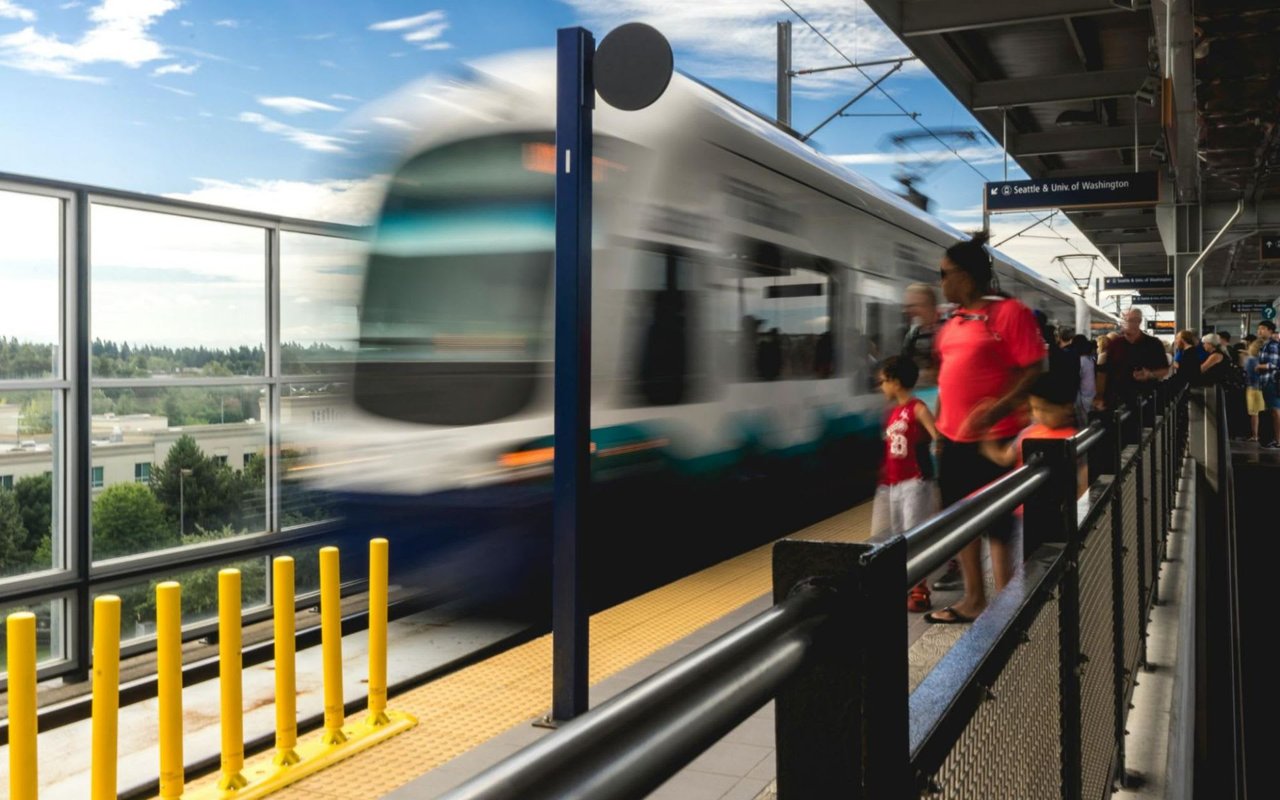
Transforming Transportation and Real Estate in Bellevue, WA.
Bellevue
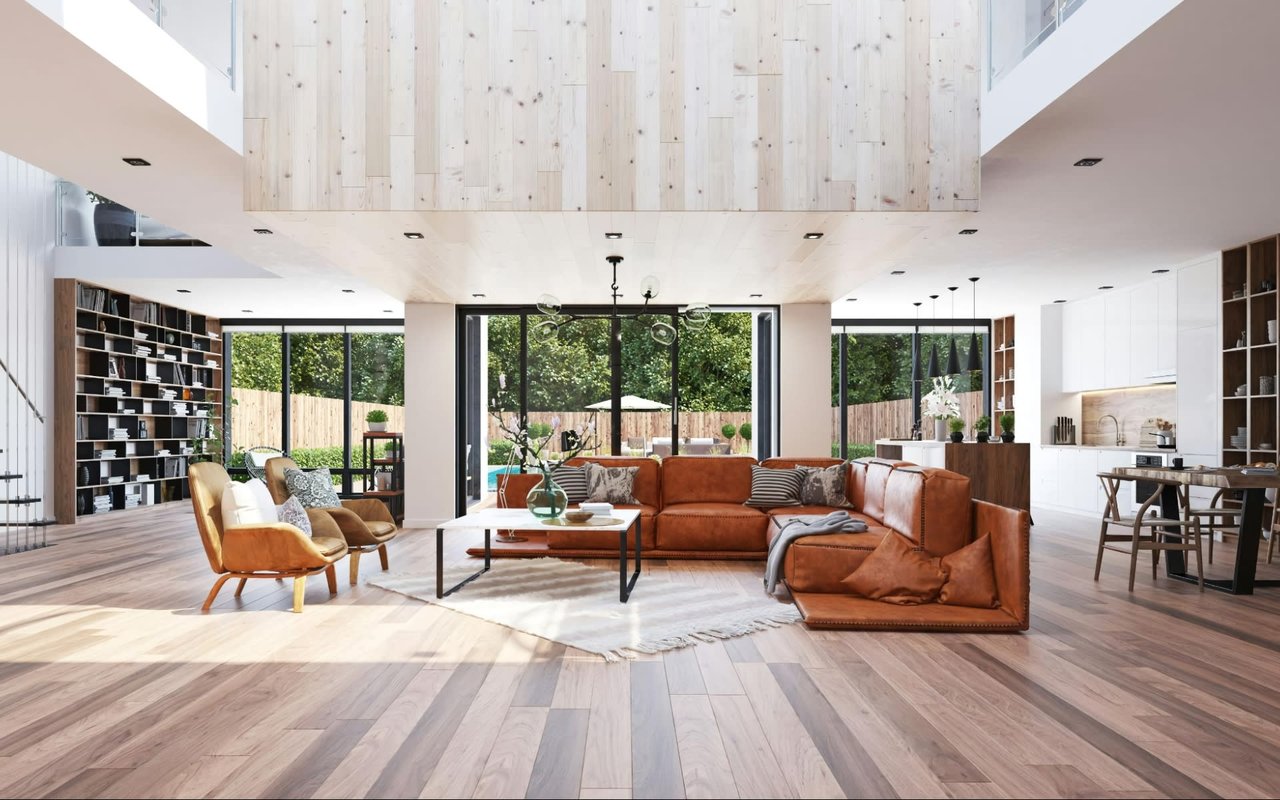
Elevating Elegance in Every Detail.
Bellevue
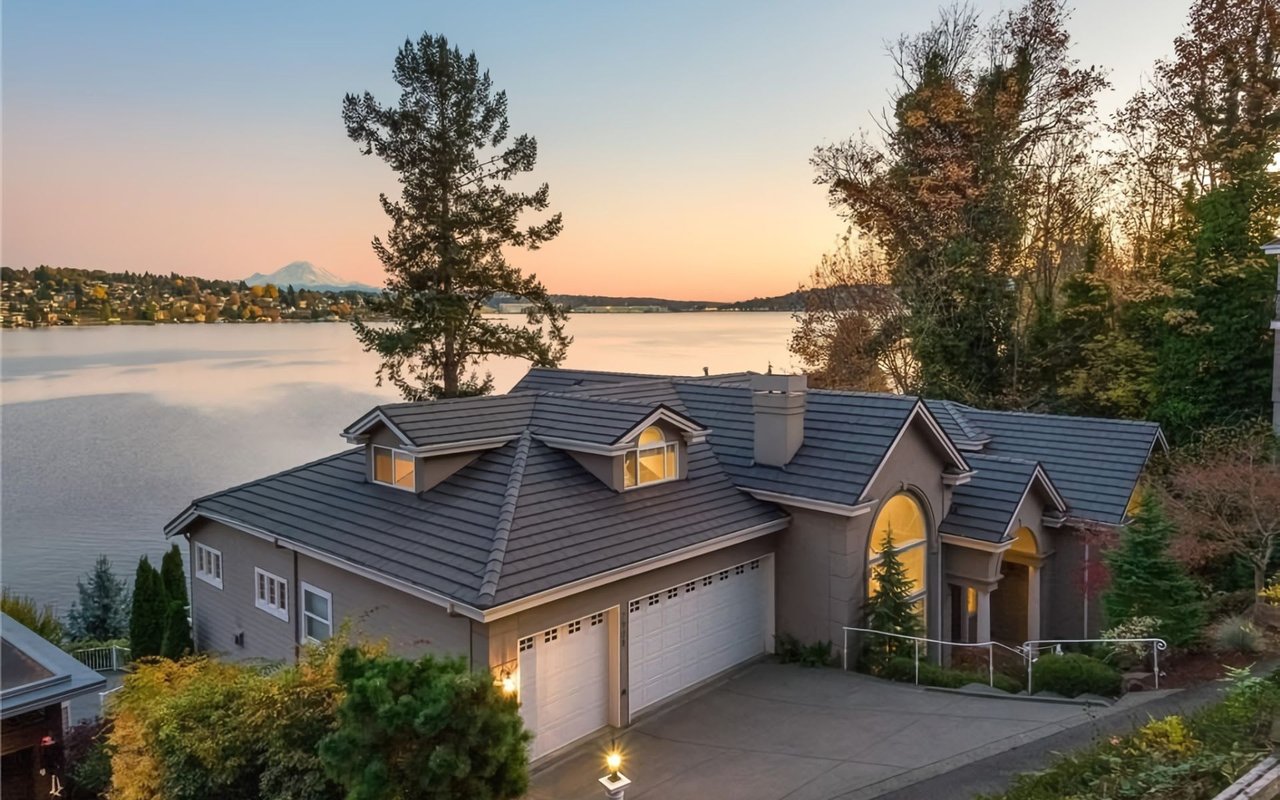
Mastering the Art of a Smooth Home Sale in Bellevue.
Bellevue
Understanding the Appeal of Bellevue to Out-of-State Homebuyers.
Bellevue
The Challenges of Pricing in the Competitive Bellevue Real Estate Market.

Bellevue
Connecting Culture and Real Estate Expertise in Bellevue’s Thriving Market.
Bellevue
Discover the Charms of Bellevue, Washington.

Renovation
Maximizing Value and Style in Your Bellevue Property.

Investing
Strategizing Your Investment in Bellevue & Seattles Dynamic Markets.
Bellevue
Unlocking the Potential of Your Bellevue Property.
Bellevue
Real Estate Negotiation Strategies From An Expert.

Relocation
Your Comprehensive Guide to a Smooth Transition for Your Furry Friends.
Investing
Exploring Opportunities in a Dynamic Market.
Seattle
Mastering the Art of Luxury Real Estate Transactions.
Bellevue
Bellevue's Transformation with Amazon's Expansion.
Buying
Embarking on journey to owning your Bellevue Dream Home.
Bellevue
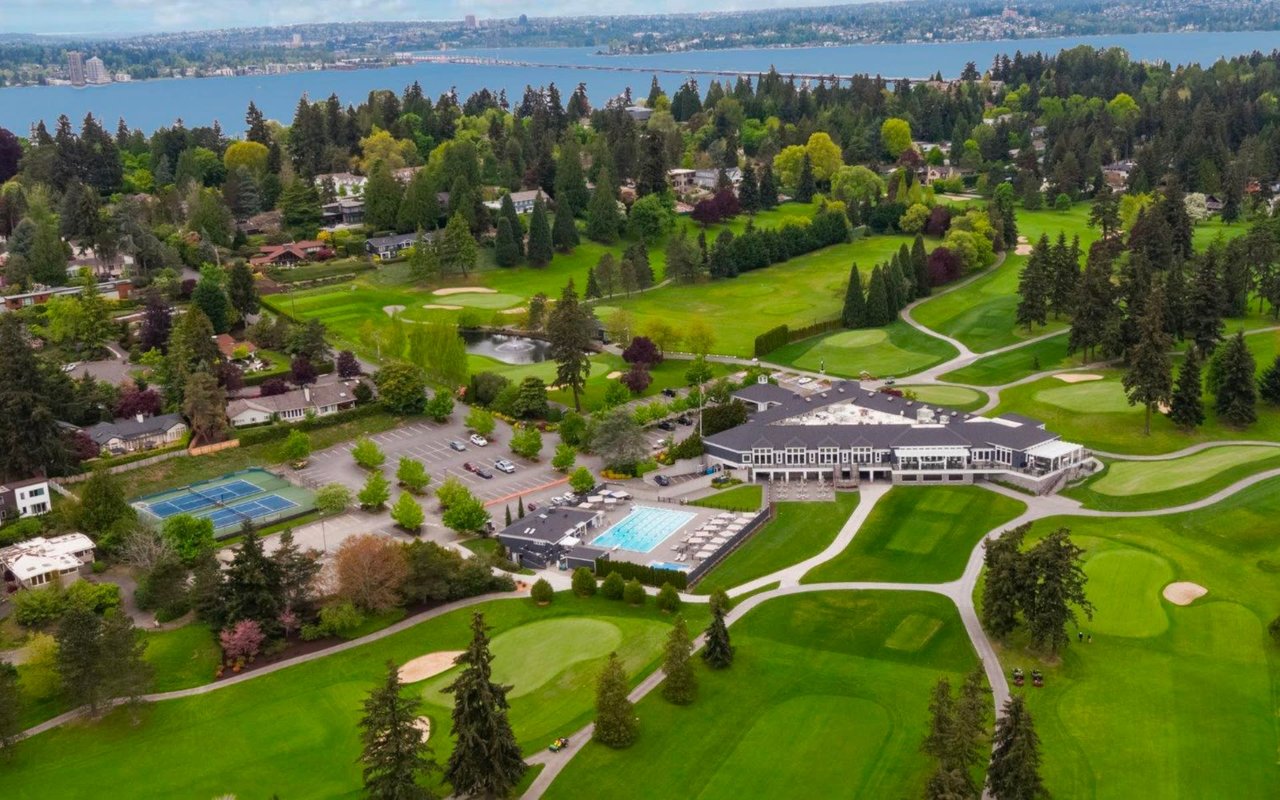
Elevate Your Lifestyle with Bellevue's Premier Country Clubs.
Bellevue
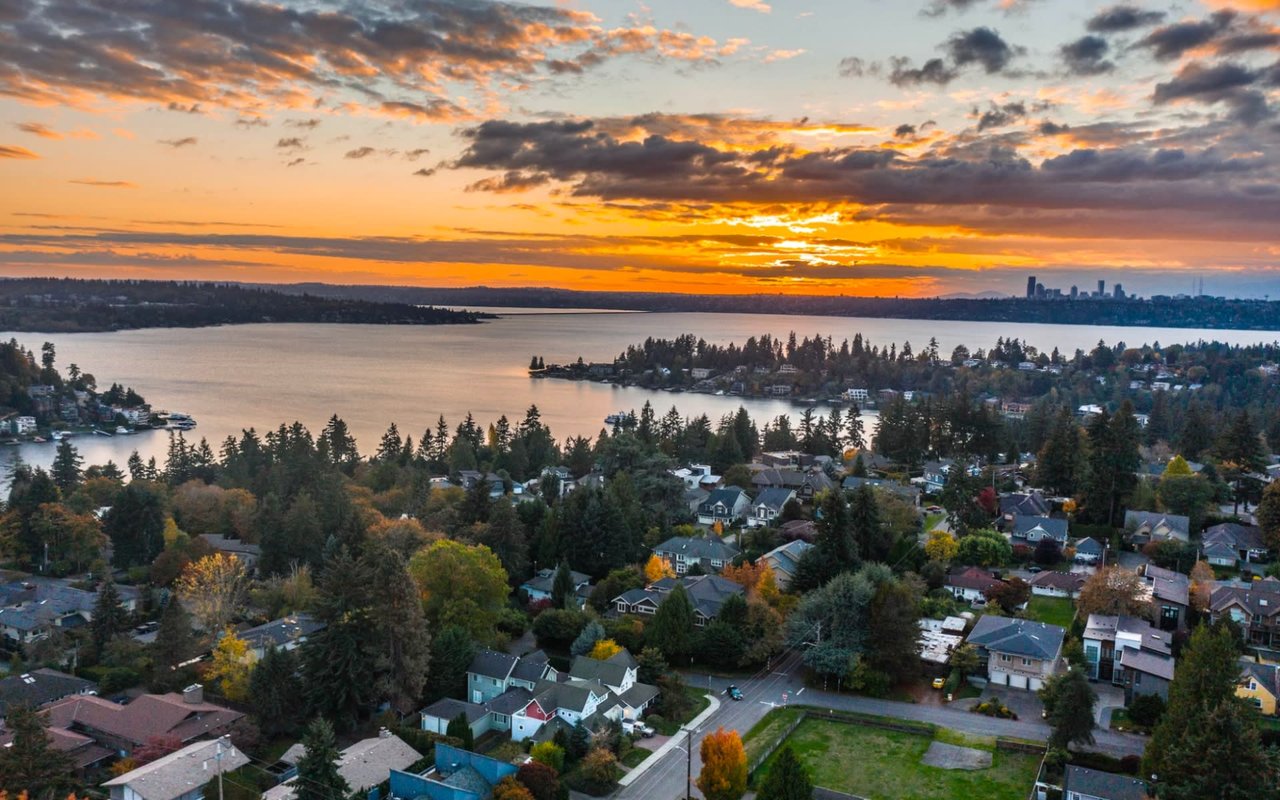
Discover Bellevue's Top Attractions and Lifestyle.

Bellevue
Bellevue is home to many large tech companies and they could be adding one more to their collection.
Knowledge Isn’t Expensive It’s Priceless
Managing Broker
Address
700 110th Ave NE Ste #270
Bellevue WA 98004