What It Is Like To Live In Edmonds
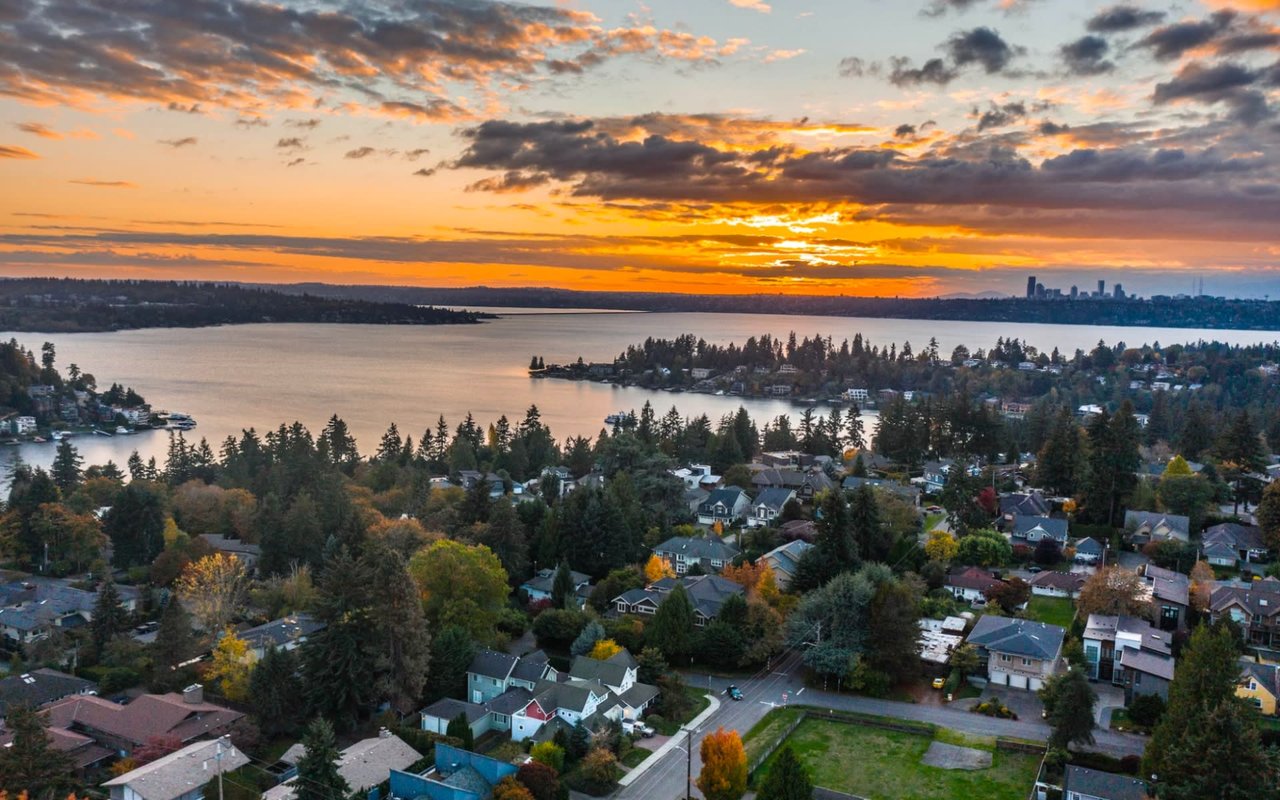
Imagine starting your day with a short stroll along the waterfront, ferries gliding by, and snow-capped peaks on the horizon. If that sounds like your pace, Edmonds may be a great fit. You get a compact, arts-forward downtown, accessible beaches, and a relaxed small-city feel, all within the Seattle–Bellevue–Everett metro area. In this guide, you’ll learn how Edmonds lives day to day, what homes cost, how you’ll get around, and what to expect from the local housing stock and community scene. Let’s dive in.
Edmonds sits on Puget Sound in Snohomish County with a 2024 population estimate of about 42,871. Baseline demographics from the American Community Survey show a median household income near $116,095 and an owner-occupied rate around 70.2 percent. The median value of owner-occupied homes is about $840,200, and the mean commute time is roughly 27.6 minutes. These numbers help frame lifestyle expectations around housing, budgets, and daily travel. Source: U.S. Census QuickFacts.
Edmonds has an urban-suburban profile. You’ll find a walkable downtown core and waterfront, with most day-to-day errands outside that core still requiring a car. The overall city Walk Score is about 48, while the downtown and waterfront blocks are the most pedestrian friendly. See Edmonds’ overall Walk Score.
Downtown Edmonds pairs a traditional Main Street with a working waterfront. Near the marina and along Main Street, you’ll see older coastal cottages, low to mid-rise condos, and small-town amenities within a few blocks. The city’s historic survey documents early 20th-century buildings that give downtown its preserved character and scale. You can browse that context in the City of Edmonds historic survey.
Head inland and north-south along the hills, and you’ll mostly find single-family homes and townhomes in neighborhoods like North Edmonds, Perrinville, Meadowdale, and Picnic Point. Many homes date to mid-century patterns, with newer infill and remodels mixed in. If you want a smaller, low-maintenance footprint and easy access to dining, galleries, and the ferry, a condo or townhome near the core is a natural match. If you prefer more space and a yard, the residential hills offer broader options.
Home values shift month by month, so use a range when planning. Recent snapshots suggest typical Edmonds sale prices in the mid to upper $800,000s and into the $1 million range, depending on location and property type. The Northwest MLS Annual Review reported a 2024 median around $895,000 for the Edmonds area. For the most current figures and context on monthly changes, review the NWMLS Annual Review.
Two helpful notes as you budget:
Edmonds is about 15 to 18 miles north of downtown Seattle, though actual drive times vary with traffic. The ACS shows an average commute of roughly 27.6 minutes, which reflects a mix of drive, bus, and rail riders. If you expect to drive for most errands, you’ll be in good company, although downtown offers true park-once convenience for the day.
Transit and travel options include:
Most residents combine modes as needed. If you can align your work hours with peak rail or bus schedules, you may be able to reduce drive time on weekdays. Otherwise, plan for flexible windows when traveling to and from Seattle or the Eastside.
The shoreline shapes daily life in Edmonds. A string of public beaches and short, scenic paths make sunset walks and coffee-with-a-view feel easy to repeat. Popular spots include Brackett’s Landing, Marina Beach Park, and the Edmonds Fishing Pier, all within a compact walk of downtown restaurants and shops.
If you enjoy the water, the city-managed Edmonds Underwater Park is a unique amenity. It is a protected marine area and heavily used shore-dive site that draws divers and curious onlookers alike. Inland, neighborhood parks, the civic playfield, and community facilities support year-round recreation and gatherings. You can scan the broader system and planning context in the Edmonds Parks and Recreation plan.
A quick tip on “waterfront living”: you can enjoy the beaches and marine walkways as a resident regardless of address, thanks to public access. Owning on the shoreline is a different decision, with fewer properties available and additional permit and insurance considerations.
Edmonds is known for its arts-forward personality. It was designated Washington’s first Certified Creative District, which supports a lively cluster of galleries, performance spaces, and creative businesses. Learn more about the designation and what it covers on the Edmonds Creative District page.
Cultural anchors include the Edmonds Center for the Arts, an intimate venue with year-round programming, and the Cascadia Art Museum, which focuses on Pacific Northwest art. You can plan a show at the Edmonds Center for the Arts and check rotating exhibitions at the Cascadia Art Museum. Monthly art walks, gallery events, and studio openings keep the downtown core active even between major festivals.
From late spring to early fall, the Edmonds Museum Summer Market turns Main Street into a weekly ritual. You’ll find produce, flowers, and artisan foods right in the heart of downtown. Dates and vendor details are posted by the museum that operates it; see the Edmonds Museum Summer Market.
Annual highlights include the long-running Edmonds Arts Festival, which draws artists and visitors regionally. You can scan event info and dates on the Edmonds Arts Festival site. Seasonal celebrations like the 4th of July parade and community runs add to the small-city energy that many buyers value.
Today’s buyers respond to thoughtful presentation. A design-forward plan, clear pricing, and strong launch strategy can increase interest in the first week on market.
Here is a simple prep framework:
If you want a turnkey approach, a concierge-style plan can coordinate staging, design touches, and production so you go live with confidence.
Edmonds gives you a rare mix of waterfront access, a compact and creative downtown, and a practical commute profile for the greater Seattle area. Whether you are comparing condos near the marina or a remodeled home on the hills, local insight and strong preparation go a long way. If you are planning a move, let’s build a clear plan tailored to your goals. Schedule a conversation with Mary Pong, Compass to get started.
Relocation
Uncover the Best Things to Do in Bellevue, Washington.
Bellevue
Transforming Bellevue Real Estate with Modern Urban Living.
Bellevue
Discover Why Bellevue Is One of the Most Sought-After Places to Live.

Bellevue
Transforming Transportation and Real Estate in Bellevue, WA.
Bellevue
Elevating Elegance in Every Detail.
Bellevue
Mastering the Art of a Smooth Home Sale in Bellevue.
Bellevue
Understanding the Appeal of Bellevue to Out-of-State Homebuyers.
Bellevue
The Challenges of Pricing in the Competitive Bellevue Real Estate Market.

Bellevue
Connecting Culture and Real Estate Expertise in Bellevue’s Thriving Market.
Bellevue
Discover the Charms of Bellevue, Washington.

Renovation
Maximizing Value and Style in Your Bellevue Property.

Investing
Strategizing Your Investment in Bellevue & Seattles Dynamic Markets.
Bellevue
Unlocking the Potential of Your Bellevue Property.
Bellevue
Real Estate Negotiation Strategies From An Expert.

Relocation
Your Comprehensive Guide to a Smooth Transition for Your Furry Friends.
Investing
Exploring Opportunities in a Dynamic Market.
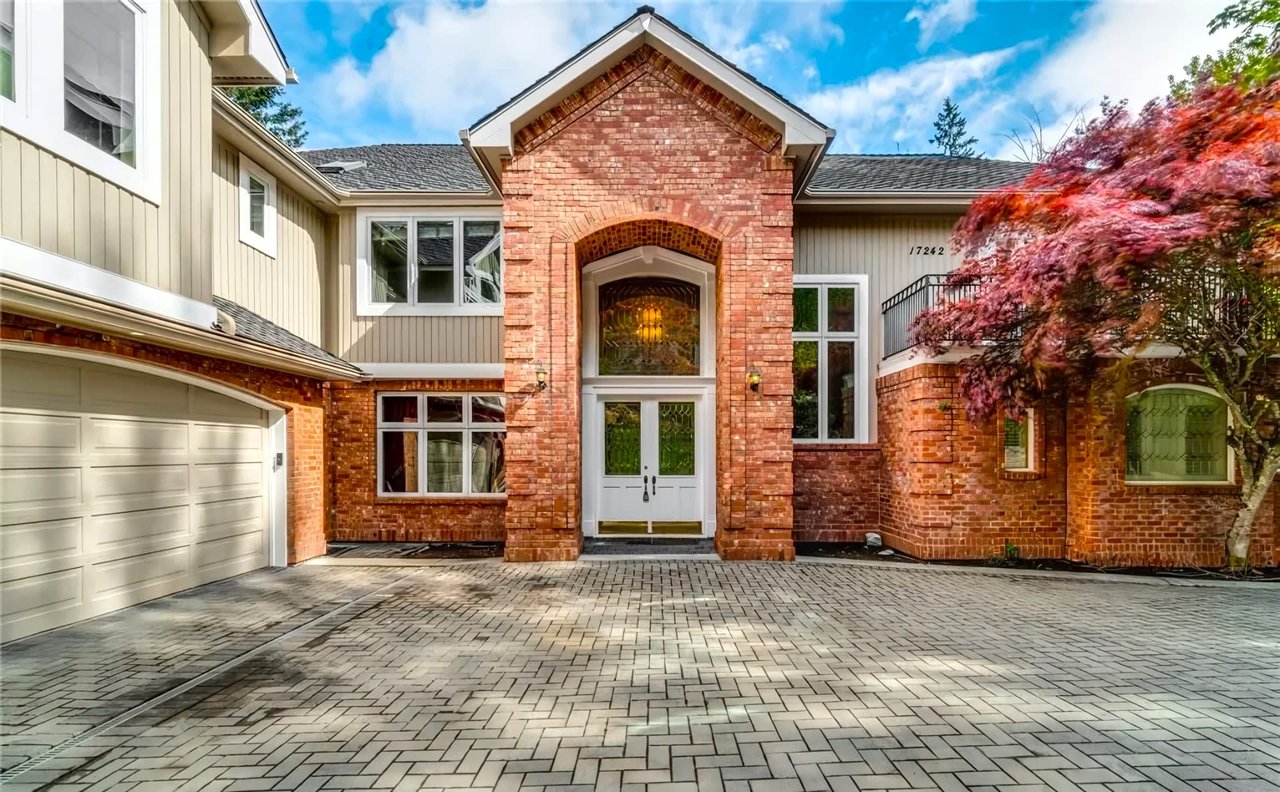
Seattle
Mastering the Art of Luxury Real Estate Transactions.
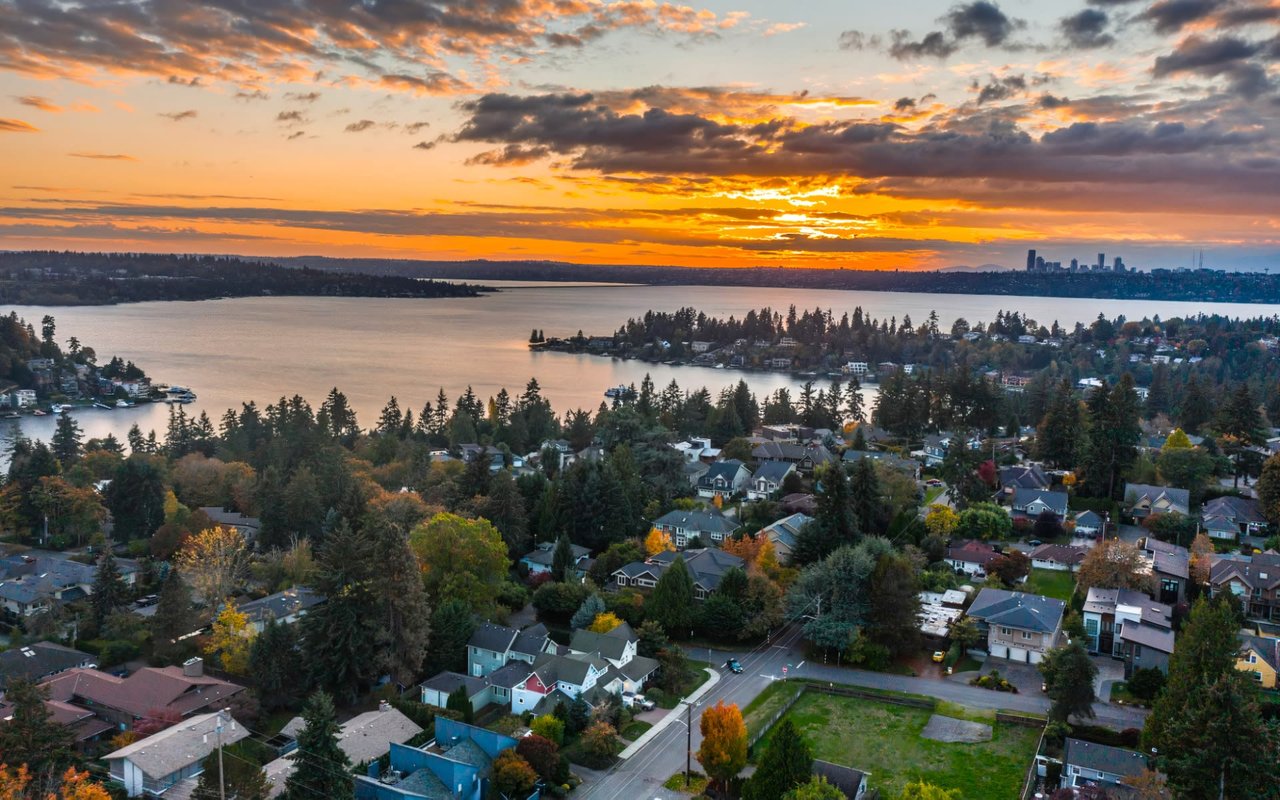
Bellevue
Bellevue's Transformation with Amazon's Expansion.
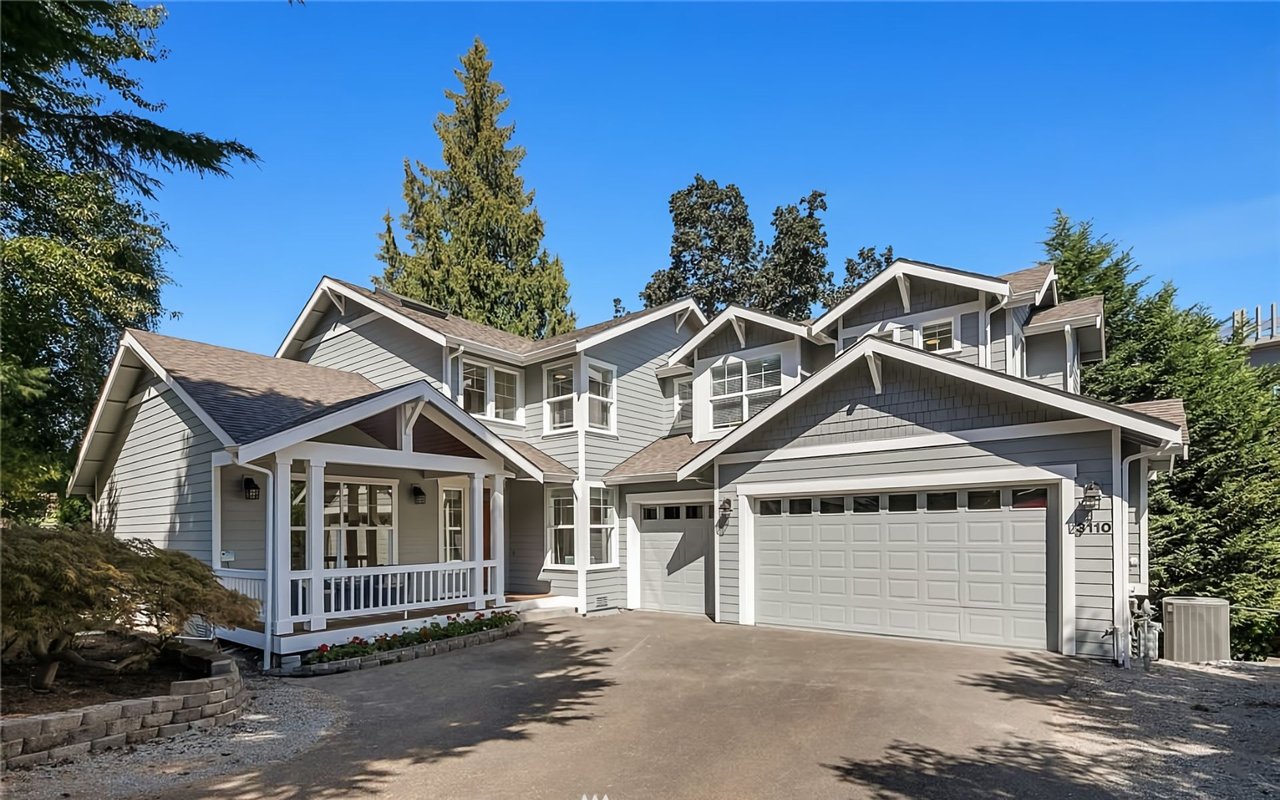
Buying
Embarking on journey to owning your Bellevue Dream Home.
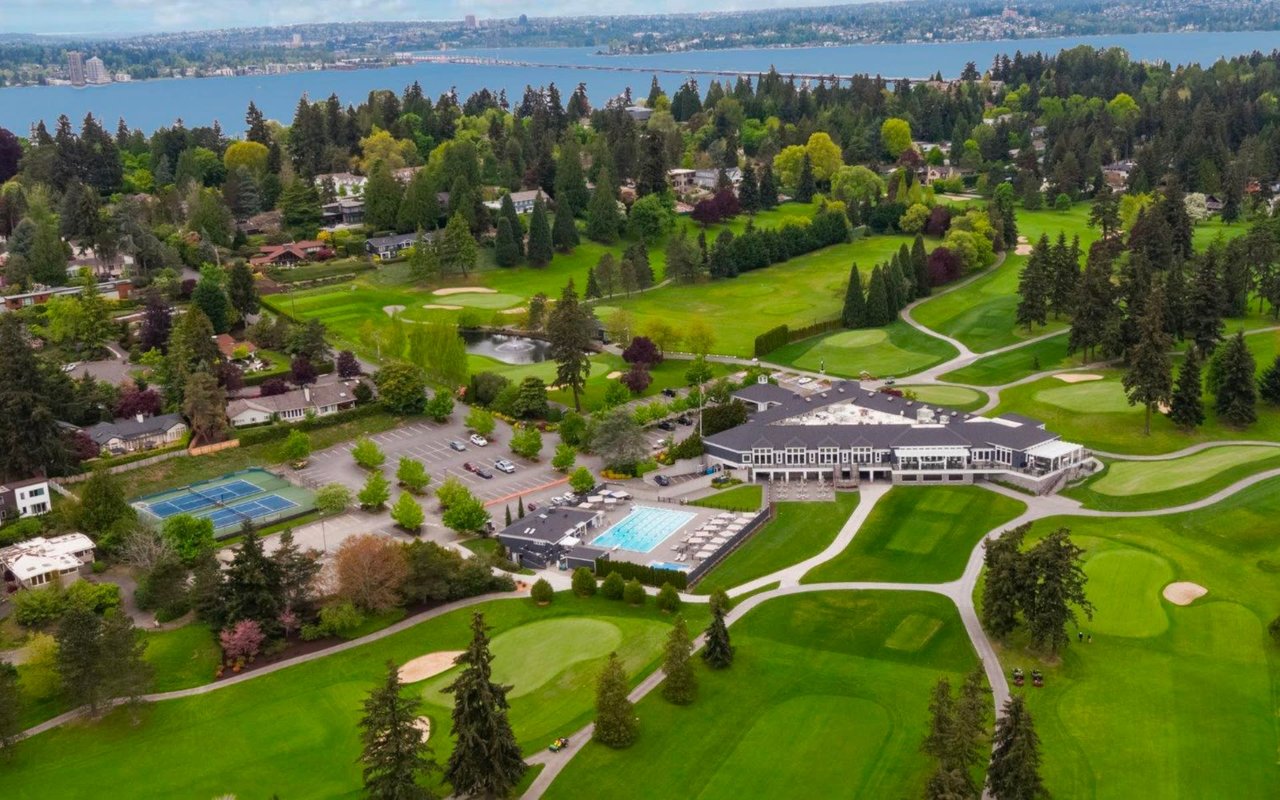
Bellevue
Elevate Your Lifestyle with Bellevue's Premier Country Clubs.
Bellevue
Discover Bellevue's Top Attractions and Lifestyle.

Bellevue
Bellevue is home to many large tech companies and they could be adding one more to their collection.
Knowledge Isn’t Expensive It’s Priceless
Managing Broker
Address
700 110th Ave NE Ste #270
Bellevue WA 98004