
Exchanging Into Bellevue Property With A 1031 Strategy
Thinking about moving equity into Bellevue with a 1031 exchange? You are not alone. For many investors, Bellevue stands out because it combines a large employment base, long-term housing demand, and strong regional connectivity, but the exchange rules are strict and timing mistakes can be costly. In this guide, you will get a practical, high-level look at how a 1031 strategy can work when your target is Bellevue property and what to watch closely along the way. Let’s dive in.
Bellevue is the second-largest employment center in King County and the economic hub of the Eastside, according to the City of Bellevue. From 2012 to 2022, total employment grew at an annual rate of 2.6 percent, reaching 163,784 jobs in 2022. That kind of job base is one reason many investors keep Bellevue on their shortlist.
The city also points to a diverse economy with major sectors that include information technology, business services, retail, creative economy, and tourism. Its information technology sector grew from 17,193 workers in 2012 to 30,511 in 2020. Major employers listed by the city include Amazon, T-Mobile USA, Meta/Facebook, Overlake Hospital, and Bellevue School District.
For investors, that matters because job concentration can support ongoing interest in both ownership and rental housing. Bellevue also reports that nearly 70 percent of adults hold a bachelor’s degree or higher, which reflects a highly skilled local workforce. While no market is guaranteed, these fundamentals help explain why Bellevue is often viewed as a long-term destination market.
Bellevue’s planning documents note a shortage of housing options, especially affordable options, and say this has been cited by employers and prospective employees as a deterrent to locating in the city. At the same time, the city’s 2044 plan update seeks to add 35,000 housing units and 70,000 jobs by 2044. That mix of growth and housing pressure is a key reason some exchange buyers look closely at Bellevue.
The city also notes that major employment centers tend to become centers for increasing numbers of housing units. In practical terms, that can mean continued demand for well-located housing as Bellevue grows. For an investor evaluating replacement options, this is part of the larger supply-and-demand picture.
Regional access is improving too. Sound Transit announced that the Crosslake Connection opened on March 28, 2026, completing 2 Line light rail service across Lake Washington and linking Bellevue more directly with Seattle and other regional job centers. Improved transit access can shape how investors think about location, convenience, and long-term desirability.
A 1031 exchange is a federal tax strategy that generally allows you to defer gain when you exchange U.S. real property held for investment or business use for other U.S. real property held for investment or business use. The IRS says real estate is considered like-kind based on the nature or character of the property, not its grade or quality. That means different types of investment real estate can still qualify as like-kind.
For example, improved and unimproved real estate can still be like-kind. A smaller rental, a small multifamily property, or other qualifying investment real estate can potentially work as replacement property if the exchange meets IRS requirements. What matters most is that the properties are held for investment or productive use in a trade or business.
A property used solely as your personal residence does not qualify under Section 1031. That is an important line to keep in mind if you are considering Bellevue for a future lifestyle move. If your goal is a true exchange, the replacement property must fit the investment or business-use standard.
One common misunderstanding is that you have to exchange the same type of property for the same type of property. Under IRS rules, like-kind real estate is broader than that. The focus is on whether both properties are qualifying U.S. real property held for investment or business use.
That flexibility is one reason investors use 1031 exchanges to reposition a portfolio. You may be moving from one asset type to another, or from one market to another, while still staying within the exchange framework. Bellevue can become the destination if the replacement property fits your investment goals and the IRS rules are followed.
If you receive cash or other non-like-kind property in the transaction, gain is recognized to that extent. Investors often refer to this as receiving boot. Even when the exchange is mostly successful, cash coming out of the deal can reduce the tax deferral benefit.
This is why many exchange buyers plan their financing, pricing, and closing structure carefully. Small details can affect the final outcome. A high-level strategy discussion early in the process can help you avoid surprises later.
Exchange transactions are reported on Form 8824 with the tax return for the year of transfer. This is another reminder that a 1031 exchange is not just a real estate purchase. It is also a tax-structured transaction with strict documentation requirements.
If you are doing a deferred exchange, two deadlines usually control the entire process. The replacement property must be identified in writing within 45 days after you transfer the relinquished property. Then, the replacement property must be received within 180 days of that transfer, or by the due date of your tax return for that year, whichever comes first.
These are firm IRS timing rules. If you miss them, the exchange can fail and the gain may become currently taxable. For that reason, many investors start evaluating Bellevue options before their original property closes.
Your written identification has to clearly describe the replacement property. Vague language is not enough. When you are moving quickly in a competitive market, having a clear shortlist matters.
The IRS also recognizes common identification approaches, including:
These rules can be useful if you want flexibility while targeting Bellevue inventory. They also show why exchange planning is often more detailed than a standard purchase search.
In a deferred exchange, using a qualified intermediary is the main IRS safe harbor to avoid actual or constructive receipt of the sale proceeds. In plain terms, you generally cannot take control of the money yourself and still expect the exchange to work. The intermediary helps preserve the structure required by the IRS.
The IRS also says related parties and the taxpayer’s agents cannot serve as qualified intermediaries. If the QI arrangement fails, or if the funds are handled incorrectly, the exchange can collapse. That is why investors usually build their team before the relinquished property closes, not after.
Bellevue exchange buyers often consider several categories of replacement property depending on budget, risk tolerance, and management preferences. The IRS framework is broad enough that different types of qualifying investment real estate may work. The key is whether the property is held for investment or business use.
Potential options may include:
The right fit depends on your goals. Some investors prioritize lower management complexity, while others focus on income potential, future flexibility, or location near major employment and transit connections.
When you are under exchange deadlines, it helps to narrow your decision criteria early. Bellevue is not just one story or one property type. Your best option may depend on price point, expected holding period, financing structure, and how you want the asset to function in your broader portfolio.
A practical evaluation often includes:
Bellevue’s large employer base, housing pressure, and stronger connectivity can make it appealing, but the right replacement still comes down to the specific asset. In a 1031 exchange, discipline matters as much as opportunity.
The 45-day identification window goes quickly. If you begin your Bellevue search after your relinquished sale closes, you may be limiting your options right away. Early preparation can give you more room to compare assets and react if your first choice falls through.
A personal residence used solely as your home does not qualify for a 1031 exchange. If your plan is partly personal and partly investment-driven, you should clarify that structure early with your tax and legal advisors. Assumptions here can create real problems.
If cash or other non-like-kind property is received, gain is recognized to that extent. Even a deal that looks close enough can create an unexpected tax result if the structure is off. Exchange planning is often won or lost in the details.
A Bellevue purchase under exchange deadlines usually requires close coordination among your intermediary, tax advisor, lender, and real estate broker. Delays in underwriting, title work, or negotiations can affect your timing. A calm, organized process can make a big difference.
If Bellevue is your target market, the best starting point is usually a focused plan rather than a broad search. You want to know your likely exchange budget, your financing path, your preferred property types, and your backup options before the clock starts. That gives you a better chance of identifying properties that fit both your deadlines and your long-term goals.
Just as important, you need local market guidance that matches the speed and complexity of a 1031 transaction. Bellevue can offer compelling fundamentals, but competitive conditions, property-level differences, and strict IRS timing all matter. The process works best when your strategy is both tax-aware and market-aware.
If you are considering a 1031 exchange into Bellevue, Mary Pong, Compass can help you evaluate property options, timeline risks, and market fit with the clear communication and hands-on guidance that high-stakes investment moves require.

Relocation
Uncover the Best Things to Do in Bellevue, Washington.

Bellevue
Transforming Bellevue Real Estate with Modern Urban Living.

Bellevue
Discover Why Bellevue Is One of the Most Sought-After Places to Live.

Bellevue
Transforming Transportation and Real Estate in Bellevue, WA.

Bellevue
Elevating Elegance in Every Detail.

Bellevue
Mastering the Art of a Smooth Home Sale in Bellevue.
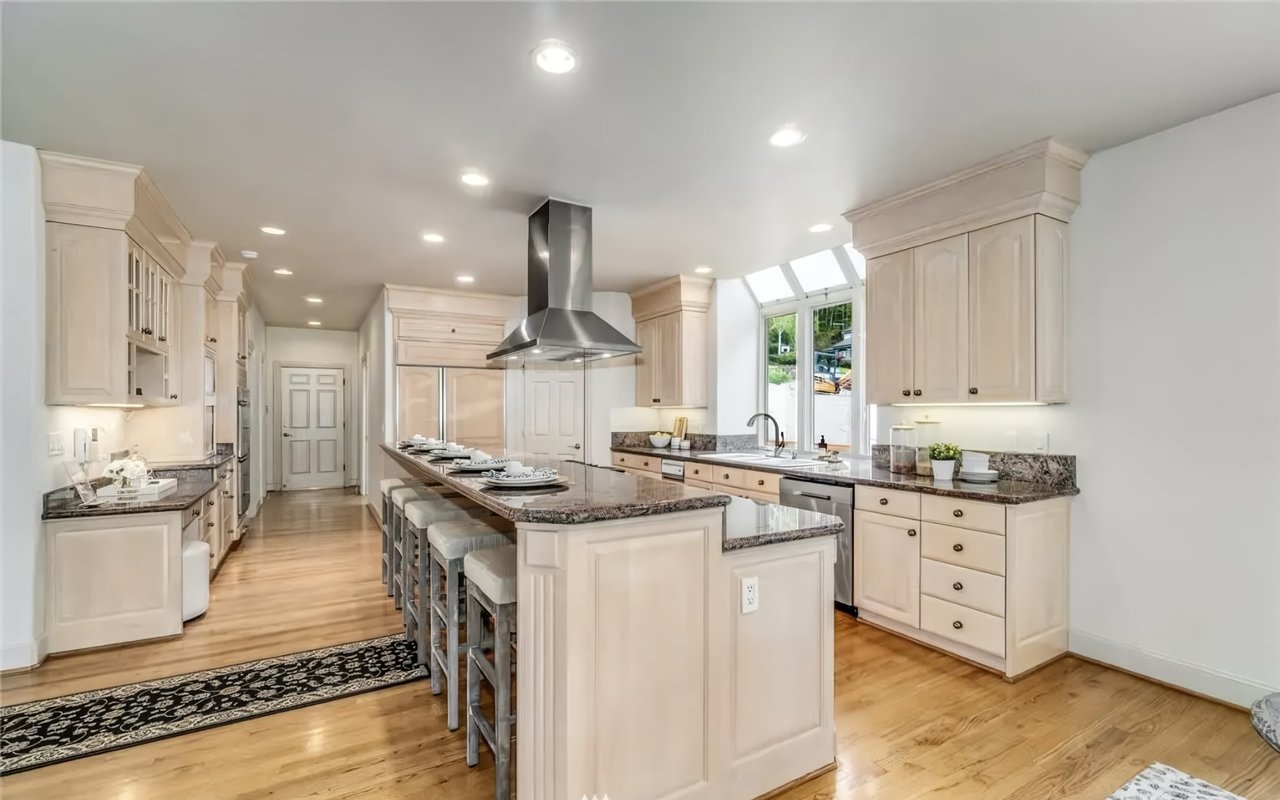
Bellevue
Understanding the Appeal of Bellevue to Out-of-State Homebuyers.
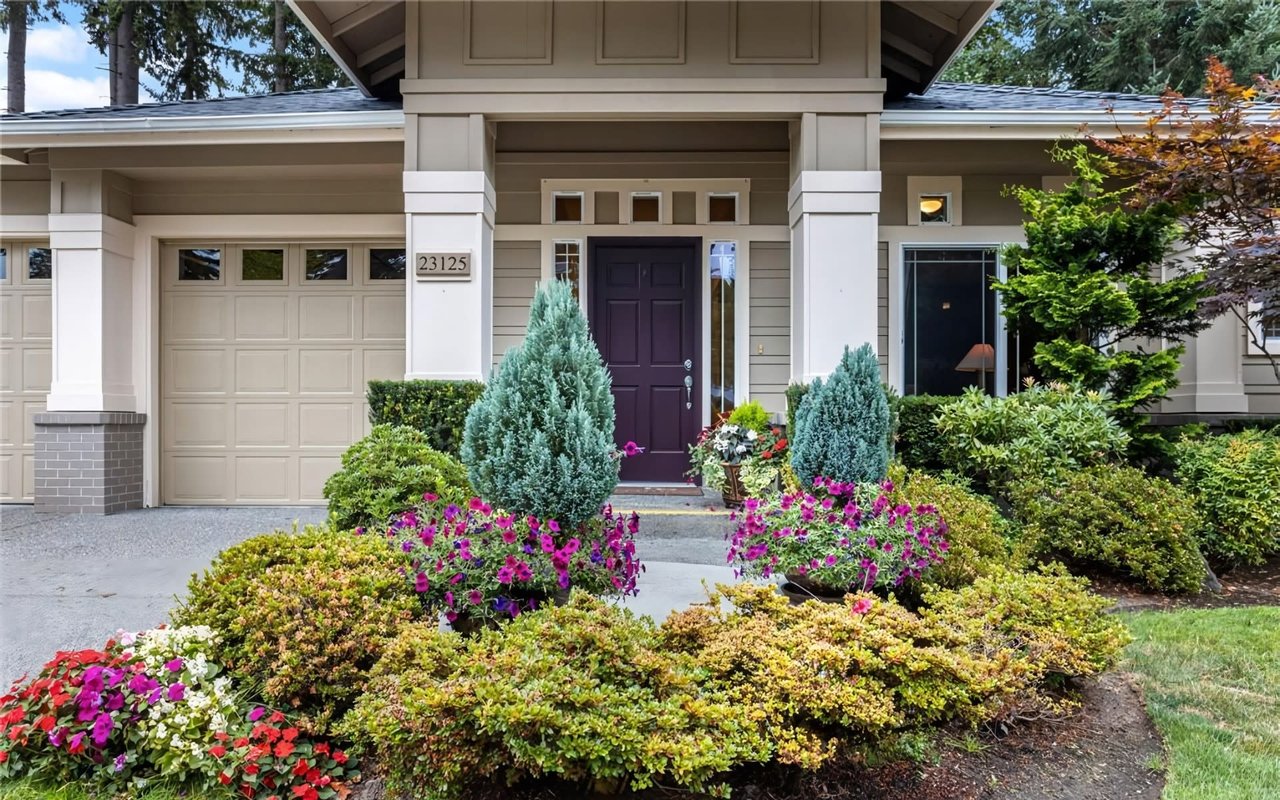
Bellevue
The Challenges of Pricing in the Competitive Bellevue Real Estate Market.

Bellevue
Connecting Culture and Real Estate Expertise in Bellevue’s Thriving Market.

Bellevue
Discover the Charms of Bellevue, Washington.

Renovation
Maximizing Value and Style in Your Bellevue Property.

Investing
Strategizing Your Investment in Bellevue & Seattles Dynamic Markets.

Bellevue
Unlocking the Potential of Your Bellevue Property.

Bellevue
Real Estate Negotiation Strategies From An Expert.

Relocation
Your Comprehensive Guide to a Smooth Transition for Your Furry Friends.

Investing
Exploring Opportunities in a Dynamic Market.
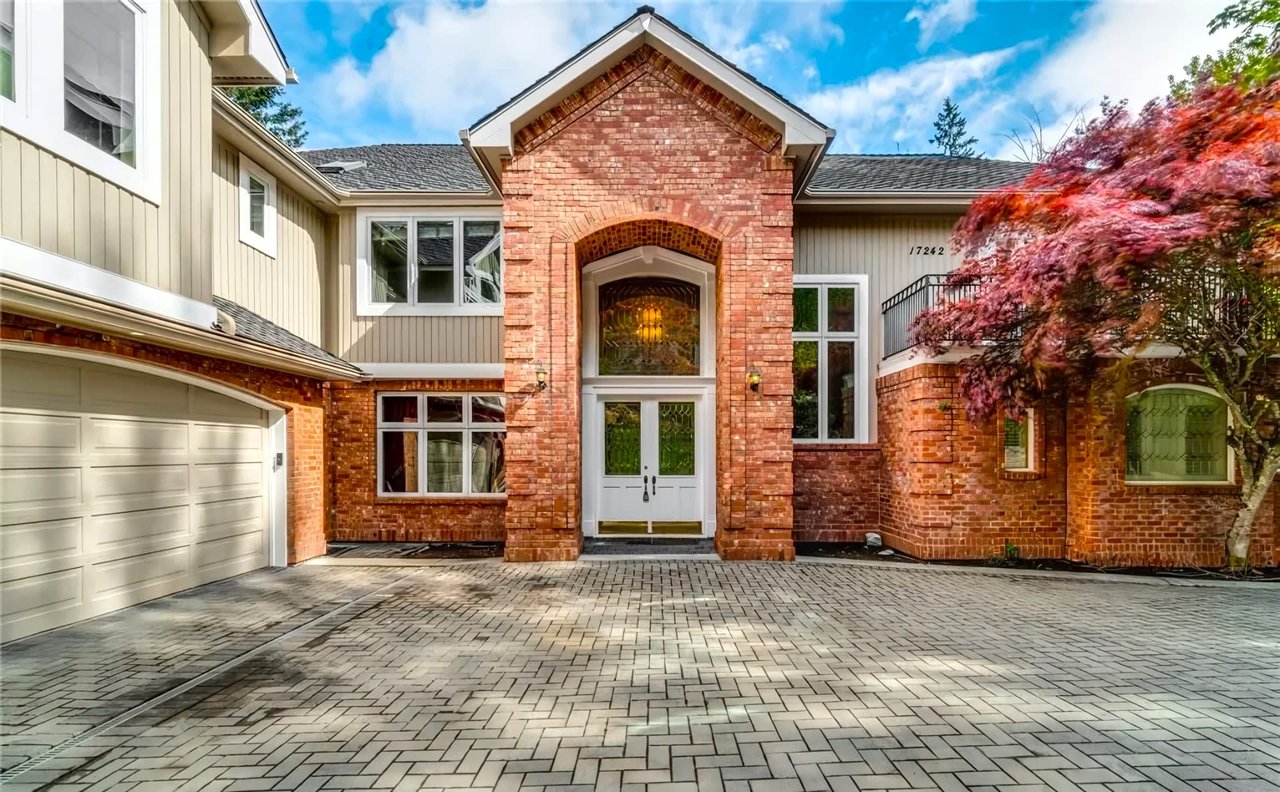
Seattle
Mastering the Art of Luxury Real Estate Transactions.

Bellevue
Bellevue's Transformation with Amazon's Expansion.
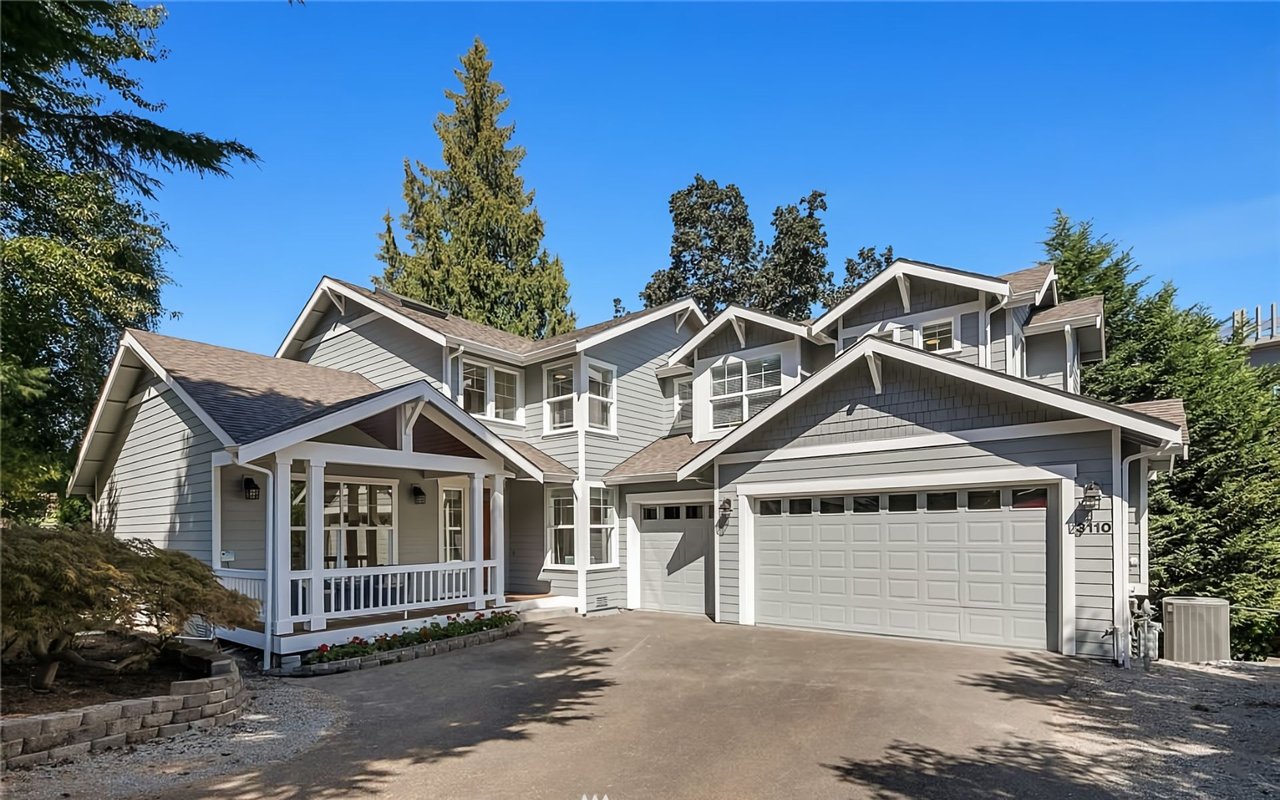
Buying
Embarking on journey to owning your Bellevue Dream Home.

Bellevue
Elevate Your Lifestyle with Bellevue's Premier Country Clubs.

Bellevue
Discover Bellevue's Top Attractions and Lifestyle.

Bellevue
Bellevue is home to many large tech companies and they could be adding one more to their collection.
Knowledge Isn’t Expensive It’s Priceless

Managing Broker
Address
700 110th Ave NE Ste #270
Bellevue WA 98004