Living in Mill Creek: A Neighborhood Guide
Picture a small city where your weekly routine can include a coffee on a walkable main street, a quick hop to light rail, and a quiet loop on forested trails after work. If that sounds like the life you want, Mill Creek deserves a close look. You want a place that balances convenience with calm, and helps you make a confident housing decision. In this guide, you’ll learn how daily life flows here, what the housing looks like, commute options, and key considerations before you buy or sell. Let’s dive in.
Mill Creek began as a master-planned golf course community and incorporated in 1983, so it still feels cohesive and intentional. The city’s heart is a pedestrian-focused Town Center that gives the area a true main street rather than a highway strip. According to Census QuickFacts, the population is about 20,993, the median household income is $121,578, and the typical commute time averages roughly 32.9 minutes. These anchors help explain why the area draws people who want suburban comfort with easy access to jobs and amenities.
Mill Creek Town Center functions as a daily destination. You can walk between shops, services, and restaurants, then pick up groceries at Central Market. The city also programs outdoor concerts, seasonal markets, and gatherings at the plaza and Forum, so you see neighbors often and feel connected. This walkable, open-air hub is a big part of why residents describe the city as convenient and community-minded.
If you enjoy fresh air, Mill Creek makes it simple to build movement into your day. The city reports 11 ADA-accessible parks and more than 23 miles of nature trails, including the multi-use North Creek Trail that runs through town and links to regional connections at McCollum Park. Mill Creek Sports Park provides lighted fields, skate features, bleachers, and field rentals, which support organized leagues and casual play. The private Mill Creek Country Club is another amenity for members.
Pro tip: Try a simple loop that starts on the North Creek Trail, swings through Town Center for lunch, then stops at the library on Bothell‑Everett Highway before heading home. It is an easy way to preview how daily life can flow here.
You have a Sno‑Isle Libraries branch in Mill Creek with regular events and resources for all ages. Basic errands are straightforward thanks to Town Center’s services and nearby retail clusters along Bothell‑Everett Highway. Most residents find that they can handle weekly needs close to home.
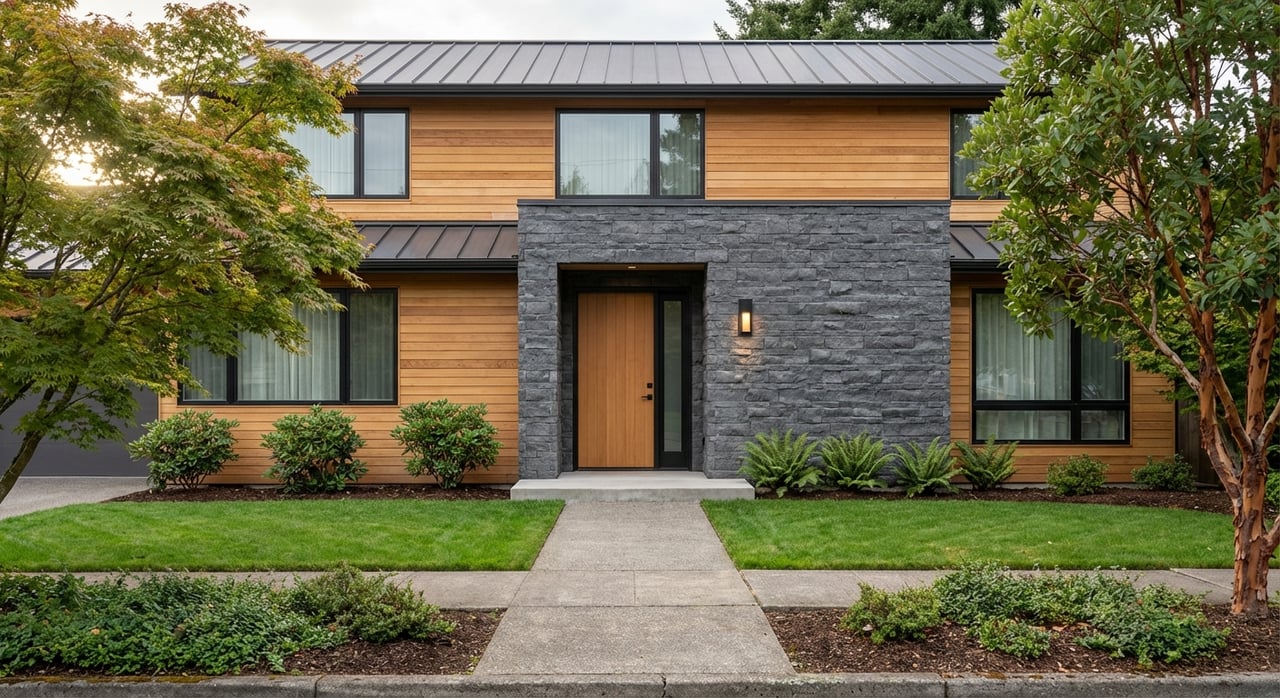
Mill Creek’s housing was largely built in the late 1970s and 1980s around the golf course, with curvilinear streets, greenbelts, and mature landscaping. You will see mostly single-family homes in planned subdivisions, plus pockets of townhomes and condos, especially near Town Center and on newer infill sites. This mix creates a range of options from more modest entries into the market to larger homes near the country club.
Census data shows a median value of owner-occupied housing units of $836,300 and an owner-occupancy rate of roughly 59.8 percent. These figures point to a largely owner-occupied community with higher property values relative to many nearby areas. For a general civic overview and history, see the City’s About Mill Creek page, and for current market specifics, plan to review live MLS data prior to making an offer or listing.
Practical steps for buyers:
If you want support with pre-market preparation, Compass Concierge can front eligible improvement costs with payment due at closing, which helps you move faster without upfront cash.
Mill Creek sits between Everett and Lynnwood with straightforward access to Interstate 5 and Bothell‑Everett Highway, also known as SR‑527. Driving to downtown Seattle is typically in the mid-20s of miles. Door-to-door times depend on peak-hour conditions, so test your route during your normal schedule. The City offers an area overview here: About Mill Creek.
Tip: Use a trip planner to test your specific origin in Mill Creek. The combination of Swift Orange and light rail can significantly shorten travel compared to prior bus-only options, but first and last mile details still matter.
Whether you are comparing neighborhoods or getting ready to list, local context and preparation make a difference. If you want a clear plan for buying or selling in Mill Creek, including neighborhood-specific pricing analysis and a tailored prep strategy, let’s talk. Schedule a consultation with Mary Pong, Compass to plan your next move with confidence.
Bellevue
Discover Why Bellevue Is One of the Most Sought-After Places to Live.
Relocation
Uncover the Best Things to Do in Bellevue, Washington.

Bellevue
Transforming Bellevue Real Estate with Modern Urban Living.
Bellevue
Transforming Transportation and Real Estate in Bellevue, WA.
Bellevue
Elevating Elegance in Every Detail.
Bellevue
Mastering the Art of a Smooth Home Sale in Bellevue.
Bellevue
Understanding the Appeal of Bellevue to Out-of-State Homebuyers.
Bellevue
The Challenges of Pricing in the Competitive Bellevue Real Estate Market.

Bellevue
Connecting Culture and Real Estate Expertise in Bellevue’s Thriving Market.
Bellevue
Discover the Charms of Bellevue, Washington.

Renovation
Maximizing Value and Style in Your Bellevue Property.

Investing
Strategizing Your Investment in Bellevue & Seattles Dynamic Markets.
Bellevue
Unlocking the Potential of Your Bellevue Property.
Bellevue
Real Estate Negotiation Strategies From An Expert.

Relocation
Your Comprehensive Guide to a Smooth Transition for Your Furry Friends.
Investing
Exploring Opportunities in a Dynamic Market.
Seattle
Mastering the Art of Luxury Real Estate Transactions.
Bellevue
Bellevue's Transformation with Amazon's Expansion.
Buying
Embarking on journey to owning your Bellevue Dream Home.
Bellevue
Elevate Your Lifestyle with Bellevue's Premier Country Clubs.
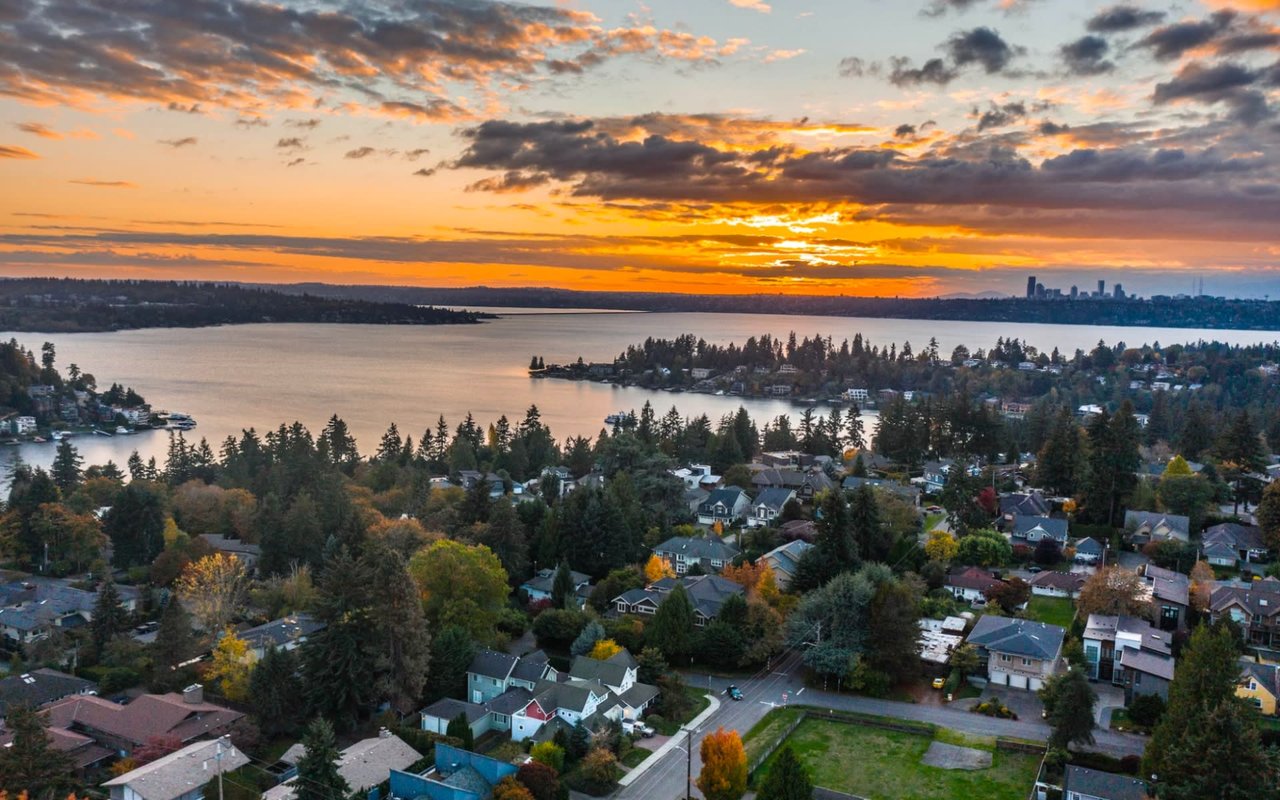
Bellevue
Discover Bellevue's Top Attractions and Lifestyle.

Bellevue
Bellevue is home to many large tech companies and they could be adding one more to their collection.

Mary Pong
Mary Pong is a Managing Broker with Compass, bringing more than two decades of real estate experience to clients throughout Bellevue, Seattle, and the Eastside. Known for her hands-on approach and deep local knowledge, she personally guides every client from consultation through closing. Fluent in English, Mandarin, and Cantonese, Mary is a trusted resource for buyers and sellers who value clear communication and results.
Knowledge Isn’t Expensive It’s Priceless
Managing Broker
Address
700 110th Ave NE Ste #270
Bellevue WA 98004